
Top Safety Practices for Industrial Pressure Washing: Protect Your Team and Property
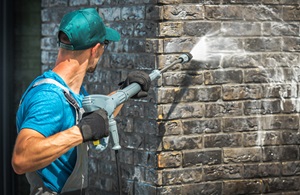
Industrial pressure washing is a powerful tool for cleaning large surfaces efficiently, but it also comes with risks if proper safety practices are not followed. From high-pressure water jets to chemical detergents, the potential for injury or property damage is real. In this article, we’ll explore the top safety practices that every professional pressure washing team should follow to protect both personnel and property, ensuring a safe and effective cleaning process.
1. Wear the Right Personal Protective Equipment (PPE)
The most basic but essential safety step is ensuring that everyone on the team is properly equipped. High-pressure water streams can easily cause cuts or punctures, while chemical cleaners may irritate skin or eyes.
Why It Matters: PPE prevents injuries and exposure to harmful substances.
How to Do It: Use gloves, safety goggles, non-slip boots, and protective clothing. Hard hats and hearing protection may also be necessary in high-noise or overhead work environments.
2. Train Your Team Thoroughly
Even experienced operators must receive ongoing training to stay updated on best practices and new equipment features. Proper training ensures that everyone knows how to handle equipment safely and respond to emergencies.
Why It Matters: Well-trained operators reduce accidents and improve overall efficiency.
How to Do It: Conduct hands-on training sessions, review safety manuals, and ensure all staff understand emergency shutdown procedures.
3. Inspect Equipment Before Each Job
Regular inspections prevent malfunctions that could lead to accidents or property damage. Pressure washers, hoses, nozzles, and safety valves should all be checked before starting any task.
Why It Matters: Faulty equipment increases the risk of injury and downtime.
How to Do It: Check for leaks, worn hoses, loose connections, and ensure safety features like pressure relief valves are functioning properly.
4. Follow Chemical Safety Guidelines
Many pressure washing jobs require detergents or other chemicals, which can be hazardous if not handled correctly. Always follow manufacturer instructions and use the minimum effective concentration.
Why It Matters: Improper chemical handling can cause burns, respiratory issues, or environmental damage.
How to Do It: Store chemicals securely, use appropriate PPE, and dispose of waste according to local regulations.
5. Maintain Safe Distances and Clear Work Areas
High-pressure jets can damage surfaces or injure people if the spray hits unintended targets. Always maintain safe distances from other workers, pedestrians, and delicate surfaces.
Why It Matters: Reduces risk of injury and prevents costly property damage.
How to Do It: Set up barriers, post warning signs, and establish clear zones around the work area.
6. Practice Proper Ladder and Elevated Work Safety
Many pressure washing tasks require reaching elevated surfaces. Using ladders or lifts incorrectly can result in falls or equipment damage.
Why It Matters: Falls are one of the most common industrial accidents.
How to Do It: Ensure ladders are stable, use fall protection equipment, and avoid overreaching.
Prioritize Safety for Maximum Efficiency
Safety should never be an afterthought in industrial pressure washing. By equipping your team with proper PPE, maintaining rigorous training, inspecting equipment, following chemical guidelines, and maintaining safe work zones, you protect both your employees and property.
Ready to enhance safety in your pressure washing operations? Contact the experts at Geyser Equipment by calling 951-509-9269 to learn how our equipment and training programs can keep your team safe while maximizing efficiency.